
Exploring the realm of Health Information Technology and its significance in 2025, this introduction sets the stage for a deep dive into the evolving landscape of healthcare technology.
Providing insights into the current state and future projections, this overview will shed light on the pivotal role of technology in shaping the healthcare industry.
What is Health Information Technology?
Health Information Technology (Health IT) refers to the use of technology to manage healthcare information, improve healthcare delivery, and enhance patient outcomes. It involves the electronic management of health information through various systems and tools.
Role of Health Information Technology in Healthcare
- Electronic Health Records (EHR): EHRs store patients' medical history, diagnoses, medications, treatment plans, immunization dates, allergies, radiology images, and laboratory test results in a digital format. This allows healthcare providers to access patient information quickly and securely, leading to more efficient and coordinated care.
- Telemedicine: Telemedicine uses technology to provide remote healthcare services, such as virtual consultations, monitoring, and treatment. It improves access to healthcare, especially in rural or underserved areas, and reduces the need for in-person visits.
- Health Information Exchange (HIE): HIE allows healthcare providers and organizations to share patient information electronically, facilitating coordinated care, improving decision-making, and reducing medical errors.
Benefits of Implementing Health Information Technology
- Improved Patient Care: Health IT enhances clinical decision-making by providing real-time access to comprehensive patient data, promoting evidence-based practices, and reducing medical errors.
- Increased Efficiency: Electronic health records streamline administrative tasks, reduce paperwork, and automate processes, leading to time and cost savings for healthcare providers.
- Better Communication: Health IT tools enable secure messaging, teleconferencing, and information sharing among healthcare professionals, promoting collaboration and care coordination.
- Enhanced Patient Engagement: Patient portals and mobile health apps empower individuals to access their health information, communicate with their providers, schedule appointments, and manage their health proactively.
Importance of Health Information Technology in 2025
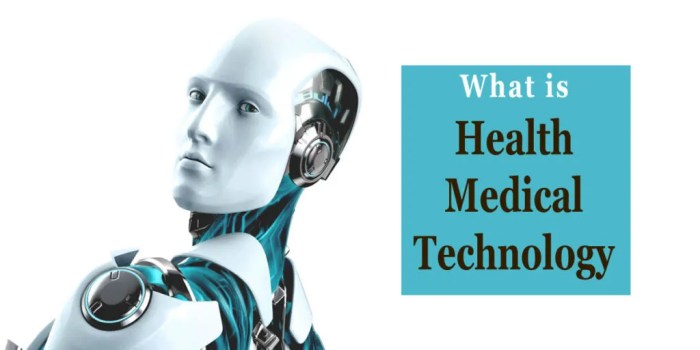
The year 2025 brings a significant shift in the landscape of Health Information Technology (HIT), with advancements poised to revolutionize patient care and outcomes. Let's delve into the current state, expected advancements, potential impacts, as well as challenges and opportunities on the horizon.
Current State of Health Information Technology in 2025
Health Information Technology in 2025 is characterized by the widespread adoption of electronic health records (EHRs), telemedicine, artificial intelligence (AI), and wearable health devices. Interoperability and data exchange among healthcare systems have improved, enabling seamless sharing of patient information. The focus is on enhancing efficiency, accuracy, and access to healthcare services through digital solutions.
Advancements of Health Information Technology Expected by 2025
By 2025, we anticipate the integration of blockchain technology for secure health data management, precision medicine tailored to individual genetic profiles, and the widespread use of virtual reality (VR) and augmented reality (AR) in medical training and patient education. Predictive analytics powered by AI will enable early disease detection and personalized treatment plans, marking a significant leap forward in healthcare delivery.
Potential Impact of Health Information Technology on Patient Care and Outcomes in 2025
The evolution of Health Information Technology in 2025 holds the promise of improved patient outcomes, enhanced care coordination, and increased patient engagement. Real-time data analysis and remote monitoring will enable healthcare providers to deliver proactive and personalized care, leading to better treatment adherence and overall wellness.
Patients will have greater access to their health information, empowering them to actively participate in their care decisions.
Challenges and Opportunities Associated with the Future of Health Information Technology
While the future of Health Information Technology is promising, challenges such as data privacy and security concerns, regulatory compliance, and disparities in access to technology must be addressed. Healthcare organizations will need to invest in robust cybersecurity measures and training to safeguard patient data.
At the same time, the evolving landscape presents opportunities for innovation, collaboration, and the development of new models of care delivery that prioritize patient-centric approaches.
Trends in Health Information Technology
The landscape of Health Information Technology is constantly evolving, with new trends shaping the future of healthcare delivery. Let's explore some of the emerging trends in this field.
Integration of Telehealth Services
Telehealth services have gained momentum, especially in response to the COVID-19 pandemic. Patients can now access healthcare remotely through virtual consultations, monitoring, and follow-ups. This trend is revolutionizing healthcare accessibility and convenience.
Interoperability of Health Systems
Efforts are being made to improve the interoperability of health systems, allowing seamless data sharing among different healthcare providers. This integration enhances care coordination, reduces medical errors, and improves patient outcomes.
Personalized Medicine
Advancements in Health Information Technology have enabled the practice of personalized medicine, tailoring treatments to individual patients based on their genetic makeup, lifestyle, and medical history. This personalized approach leads to more effective and targeted interventions.
Predictive Analytics and Population Health Management
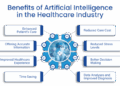
The integration of artificial intelligence and machine learning in Health Information Technology has enabled predictive analytics for early disease detection, risk stratification, and population health management. By analyzing vast amounts of data, healthcare providers can proactively address health issues and improve population health outcomes.
Blockchain Technology in Healthcare
Blockchain technology is being explored to enhance the security and privacy of health data exchange. By creating decentralized and secure data storage systems, blockchain ensures the integrity and confidentiality of patient information, ultimately increasing trust in healthcare systems.
Wearable Health Technology
The rise of wearable health technology like fitness trackers, smartwatches, and health monitoring devices enables individuals to track their health metrics in real-time. These devices provide valuable data for both patients and healthcare providers, promoting proactive health management and early intervention.
Virtual Reality and Augmented Reality in Healthcare
Virtual reality and augmented reality technologies are being utilized for medical training, patient education, and even surgical procedures. These immersive technologies enhance medical learning, improve patient engagement, and offer innovative solutions for healthcare delivery.
Remote Patient Monitoring
Remote patient monitoring solutions allow healthcare providers to track patient vitals, symptoms, and adherence to treatment plans from a distance. This trend empowers patients to manage their health outside traditional healthcare settings and enables early intervention for any concerning changes.
Ethical and Legal Considerations
Ethical and legal considerations play a crucial role in the implementation and use of Health Information Technology (HIT). These considerations are essential to protect patient privacy, ensure data security, and maintain the integrity of healthcare systems.
Ethical Dilemmas in Health Information Technology
Ethical dilemmas in HIT often arise from the potential misuse of patient data, conflicts of interest, and the impact of technology on the doctor-patient relationship. Healthcare professionals must navigate these dilemmas to uphold ethical standards and prioritize patient well-being.
Patient Privacy and Data Security Concerns
Patient privacy and data security are major concerns in HIT. With the increasing digitization of health records, there is a risk of unauthorized access, data breaches, and identity theft. It is essential to implement robust security measures to safeguard sensitive patient information.
Regulatory Frameworks in Health Information Technology
Regulatory frameworks govern the use of HIT to ensure compliance with laws and standards. Regulations such as HIPAA (Health Insurance Portability and Accountability Act) establish guidelines for the collection, storage, and sharing of patient data. Adherence to these frameworks is crucial to protect patient rights and maintain trust in healthcare systems.
Implications of Data Breaches and Cybersecurity Threats
Data breaches and cybersecurity threats pose significant risks to healthcare organizations and patients. These incidents can lead to the exposure of sensitive information, financial losses, and damage to reputation. Healthcare providers must invest in cybersecurity measures and response plans to mitigate the impact of potential breaches.
Conclusive Thoughts
In conclusion, the dynamic nature of Health Information Technology in 2025 underscores its critical importance in revolutionizing patient care and healthcare outcomes. As we navigate the complexities of technology integration, the future holds promising advancements that will redefine the way we approach healthcare delivery.
Questions and Answers
What are the key components of Health Information Technology?
Health Information Technology encompasses electronic health records, telemedicine platforms, health information exchanges, and clinical decision support systems.
How does Health Information Technology impact patient care?
By streamlining processes, reducing errors, and improving communication, Health Information Technology enhances the quality and efficiency of patient care.
What challenges are associated with the future of Health Information Technology?
Challenges include data security concerns, interoperability issues, regulatory compliance, and the integration of emerging technologies.