

As we delve into the realm of home automation in 2025, it's essential to keep an eye on the top brands shaping the industry. From their rich history to the latest technological innovations, these brands are revolutionizing the way we interact with our homes.
Join us on a journey to explore the key players and trends driving the future of smart homes.
Overview of Top Home Automation Brands
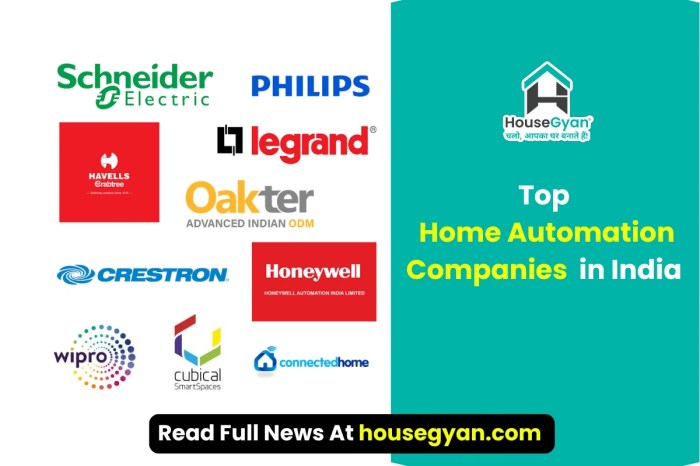
Home automation has become increasingly popular in recent years, with many brands competing to offer innovative solutions for smart homes. Let's take a look at some of the top home automation brands that have made a significant impact in the industry.
Brief History of Top Home Automation Brands
Several top home automation brands have a rich history of providing cutting-edge technology to enhance the functionality and convenience of modern homes. These brands have consistently evolved their products to meet the changing needs of consumers.
Key Players in the Home Automation Industry
- 1. Google Nest: Known for its smart thermostats, cameras, and speakers, Google Nest offers a range of products that integrate seamlessly with other smart devices.
- 2. Amazon Alexa: Amazon's voice assistant platform has revolutionized the way we interact with smart home devices, offering a wide range of compatible products.
- 3. Samsung SmartThings: Samsung's smart home platform provides a comprehensive solution for connecting and controlling various devices in the home.
- 4. Apple HomeKit: Apple's ecosystem allows users to control smart home devices using Siri voice commands and offers a secure and intuitive interface.
Growth and Significance of Home Automation Brands
Home automation brands have seen significant growth due to the increasing demand for smart home technology. These brands have played a crucial role in shaping the future of home automation by introducing innovative features and enhancing the overall user experience.
Innovations in Home Automation Technologies
As technology continues to advance rapidly, top home automation brands are constantly introducing new innovations to enhance the functionality and convenience of smart homes. These innovations are revolutionizing the way we interact with our living spaces and are reshaping the landscape of home automation.
Voice Control Integration
- Amazon Echo and Google Home have pioneered voice control integration, allowing users to control various smart devices using voice commands.
- Apple's Siri and Samsung's Bixby have also entered the market, offering seamless voice control options for smart home automation.
- These voice assistants are becoming more sophisticated, enabling users to perform complex tasks and routines with simple voice commands.
Artificial Intelligence and Machine Learning
- Smart home devices are increasingly incorporating AI and machine learning algorithms to learn user preferences and behavior patterns.
- This allows for personalized automation experiences, where devices adapt to the unique needs of each household member.
- Companies like Nest and Ecobee are leveraging AI to optimize energy usage and enhance comfort levels in smart homes.
Interoperability and Seamless Integration
- Leading home automation brands are focusing on interoperability, enabling different smart devices to communicate and work together seamlessly.
- This interoperability ensures that users can create holistic smart home ecosystems without being limited to a single brand's products.
- Brands like Philips Hue, Samsung SmartThings, and Apple HomeKit are leading the way in creating interconnected smart home environments.
Sustainability Initiatives by Home Automation Brands
Home automation brands are increasingly focusing on sustainability initiatives to reduce their environmental impact and meet the growing demand for eco-friendly products. These initiatives not only help in conserving resources but also enhance the overall reputation of the brands in the eyes of environmentally conscious consumers
Integration of Energy-Efficient Technologies
Leading home automation brands are incorporating energy-efficient technologies in their products to reduce energy consumption. Smart thermostats, lighting systems, and appliances are designed to optimize energy usage, resulting in lower electricity bills and reduced environmental footprint.
Use of Recycled Materials
Many home automation brands are utilizing recycled materials in the manufacturing of their products to minimize waste and promote a circular economy. By sourcing materials from sustainable suppliers and implementing recycling programs, these brands are contributing to the conservation of natural resources.
Carbon Neutrality Goals
Some home automation brands have set ambitious carbon neutrality goals to offset their greenhouse gas emissions. They are investing in renewable energy sources, such as solar panels and wind turbines, to power their operations and reduce reliance on fossil fuels.
By achieving carbon neutrality, these brands are demonstrating their commitment to combat climate change.
Integration of Artificial Intelligence in Home Automation
Artificial Intelligence (AI) is revolutionizing the way we interact with technology, and the integration of AI in home automation is no exception. Top home automation brands are leveraging AI to enhance the functionality and efficiency of their products, providing users with smart and intuitive solutions for a connected home experience.
AI-Powered Features Offered by Top Home Automation Brands
- Personalized Recommendations: Brands like Google Nest and Amazon Alexa use AI algorithms to learn user preferences and provide personalized recommendations for home settings, such as temperature, lighting, and entertainment options.
- Voice Control: AI-powered voice assistants like Apple's Siri and Google Assistant enable users to control various smart devices in their homes using voice commands, making daily tasks more convenient and hands-free.
- Smart Security Systems: Companies like Ring and Arlo utilize AI to enhance the capabilities of their security cameras, enabling features such as facial recognition, object detection, and predictive analytics for improved home security.
Benefits and Challenges of AI Implementation in Home Automation Systems
- Benefits:
- Increased Efficiency: AI algorithms optimize energy consumption and automate routine tasks, resulting in improved efficiency and cost savings for homeowners.
- Enhanced User Experience: AI-powered features offer personalized and seamless interactions with smart devices, enhancing the overall user experience and convenience.
- Improved Security: AI-driven security systems provide advanced monitoring capabilities and real-time alerts, enhancing the safety and security of homes.
- Challenges:
- Data Privacy Concerns: The collection and analysis of user data by AI systems raise concerns about privacy and data security, requiring robust measures to protect sensitive information.
- Complexity and Integration Issues: Integrating AI into existing home automation systems can be complex and may require technical expertise, posing challenges for seamless integration and compatibility.
- Reliability and Dependability: AI algorithms are susceptible to errors and malfunctions, leading to potential reliability issues that may impact the performance of home automation systems.
Final Review
In conclusion, the landscape of home automation is evolving rapidly, with sustainability, AI integration, and cutting-edge technologies at the forefront. By staying informed about the top brands in this space, you can make informed decisions to transform your living space into a smart, efficient home.
Stay tuned for the exciting developments that lie ahead in the world of home automation.
FAQ Overview
What are some key players in the home automation industry?
Some key players in the home automation industry include companies like X, Y, and Z, known for their innovative products and solutions.
How are home automation brands incorporating sustainability initiatives?
Leading home automation brands are integrating sustainability efforts by using eco-friendly materials, energy-efficient technologies, and promoting recycling programs to reduce environmental impact.
What are some examples of AI-powered features in home automation products?
AI-powered features in home automation products include voice control assistants, predictive maintenance algorithms, and personalized smart home routines tailored to user preferences.
What challenges do home automation brands face when implementing AI technology?
Some challenges that home automation brands encounter when implementing AI technology include data privacy concerns, interoperability issues between different devices, and the need for continuous updates to maintain AI functionality.