
In today's digital age, the concept of smart homes has revolutionized the way we live. However, with this convenience comes the looming threat of cyber attacks. This guide delves into the crucial steps you need to take to safeguard your smart home from potential cyber threats.
Let's explore the world of smart home security together.
Introduction to Smart Home Security
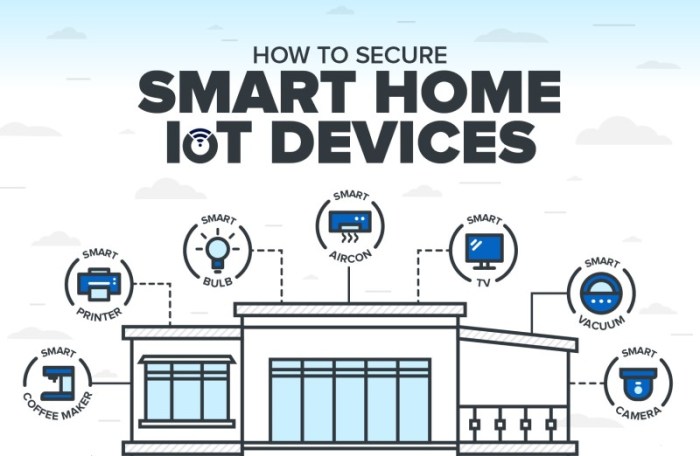
A smart home refers to a residence equipped with devices connected to the internet that can be remotely monitored and controlled. These devices can include smart thermostats, cameras, door locks, lights, and more, offering convenience, energy efficiency, and enhanced security to homeowners.
As smart homes become more prevalent, the need to secure these devices from cyber threats is increasingly important. Cybercriminals are targeting smart homes to gain access to personal information, disrupt daily activities, or even use the devices as entry points to launch larger attacks.
Rising Number of Smart Home Cyber Attacks
According to a report by cybersecurity company McAfee, incidents of smart home cyber attacks have been on the rise. In the first quarter of 2020 alone, there was a 37% increase in IoT (Internet of Things) device attacks compared to the previous year.
This highlights the growing vulnerability of smart homes to cyber threats and the urgent need for homeowners to take proactive measures to protect their devices.
Identifying Vulnerabilities in Smart Home Devices
In today's interconnected world, smart home devices have become increasingly popular for their convenience and efficiency. However, with this convenience comes the risk of cyber threats due to common vulnerabilities found in these devices.
Weak passwords and unsecured networks are two of the most common vulnerabilities in smart home devices. Many users often overlook the importance of setting strong, unique passwords for their devices, making them easy targets for cyber attackers. Additionally, unsecured networks can provide a gateway for hackers to gain unauthorized access to these devices and the data they store.
Risks Associated with Vulnerabilities
- Unauthorized Access: Hackers can exploit weak passwords or unsecured networks to gain access to smart home devices, allowing them to control devices remotely or monitor activities within the home.
- Data Breaches: In the event of a security breach, sensitive personal information stored on smart home devices, such as security camera footage or voice recordings, can be compromised and used for malicious purposes.
It is crucial for smart home users to prioritize cybersecurity measures to protect their devices and personal data from potential threats.
Examples of Past Incidents
- In 2016, the Mirai botnet attack exploited weak default passwords in IoT devices, including smart home devices, to launch a massive DDoS attack that disrupted internet services worldwide.
- In 2017, a vulnerability in a popular smart lock system allowed hackers to unlock doors remotely, posing a serious security risk to homeowners.
Best Practices for Securing Smart Home Devices
Securing smart home devices is crucial to protect your privacy and data from cyber threats. Implementing best practices can help ensure the safety and security of your smart home ecosystem.
Regular Software Updates
Regular software updates are essential for smart home devices as they often contain security patches to address vulnerabilities. Keeping your devices up to date helps prevent hackers from exploiting known weaknesses.
Strong, Unique Passwords
Using strong, unique passwords for each smart home device is vital in preventing unauthorized access. Avoid using default passwords and opt for a combination of letters, numbers, and special characters to create secure passwords.
Setting Up a Separate Network
Setting up a separate network for your smart home devices adds an extra layer of security by isolating them from your main network. This can help prevent unauthorized access to sensitive information and reduce the risk of a cyber attack spreading to other devices.
Securing Smart Home Networks
Securing the Wi-Fi network for smart home devices is crucial to prevent unauthorized access and protect sensitive information. Hackers can exploit vulnerabilities in unsecured networks to gain access to your devices and potentially compromise your privacy and security.
Importance of Encryption Protocols
Using encryption protocols like WPA2 or the newer WPA3 can significantly enhance the security of your Wi-Fi network. These protocols encrypt the data transmitted between your devices and the router, making it much harder for hackers to intercept and decipher the information.
- Ensure your router is using WPA2 or WPA3 encryption to protect your network from unauthorized access.
- Regularly update your router firmware to patch any security vulnerabilities and ensure the latest encryption standards are in place.
Changing Default Router Settings
Default router settings are often easy for hackers to exploit, as many manufacturers use generic usernames and passwords that are widely known. Changing these default settings can significantly improve the security of your smart home network.
- Change the default username and password of your router to a strong, unique combination that only you know.
- Disable remote access to your router's administration panel to prevent unauthorized users from making changes to your network settings.
- Enable firewall protection on your router to monitor and filter incoming and outgoing traffic for added security.
Implementing Additional Security Measures
When it comes to securing your smart home from cyber threats, implementing additional security measures is crucial to safeguard your devices and data. In this section, we will explore the use of firewall protection, Virtual Private Networks (VPNs), and disabling unused features on smart home devices.
Firewall Protection for Smart Home Networks
Firewall protection acts as a barrier between your smart home network and potential cyber threats, filtering incoming and outgoing traffic to block malicious activities. By setting up a firewall for your smart home network, you can add an extra layer of security to prevent unauthorized access to your devices and data.
Benefits of Using a Virtual Private Network (VPN) for Remote Access
Utilizing a Virtual Private Network (VPN) when accessing your smart home devices remotely provides a secure and encrypted connection, protecting your data from interception by cybercriminals. VPNs create a private network over a public internet connection, ensuring that your online activities remain confidential and secure.
Disabling Unused Features on Smart Home Devices
Disabling unused features on your smart home devices can help minimize vulnerabilities that hackers could exploit. By turning off unnecessary functions or services that you do not use, you can reduce the attack surface of your devices and decrease the risk of unauthorized access.
Regularly reviewing and disabling unused features is an essential practice for enhancing the security of your smart home ecosystem.
Monitoring and Managing Smart Home Security
Monitoring and managing smart home security is crucial in protecting your devices and data from cyber threats. By staying vigilant and implementing the right tools, you can enhance the security of your smart home ecosystem.
Importance of Monitoring Device Activity
- Regularly monitoring device activity helps in detecting any unusual behavior that may indicate a cyber attack.
- Monitoring can alert you to unauthorized access attempts or suspicious activities, allowing you to take immediate action.
- By keeping track of device activity, you can identify vulnerabilities and address them before they are exploited by cybercriminals.
Use of Security Cameras and Sensors
- Security cameras and sensors provide enhanced surveillance capabilities, allowing you to monitor your home in real-time.
- These devices can alert you to any suspicious movements or intrusions, helping you prevent potential security breaches.
- By strategically placing security cameras and sensors, you can create a comprehensive security system that covers all areas of your smart home.
Benefits of Using Security Software
- Security software is designed to detect and prevent cyber threats, such as malware, phishing attacks, and hacking attempts.
- By installing security software on your devices, you can add an extra layer of protection against potential security risks.
- Regularly updating security software ensures that you are equipped with the latest security measures to safeguard your smart home.
Final Review
As we conclude this insightful journey into securing your smart home from cyber threats, remember that proactive measures are key to maintaining a safe and protected digital environment. By implementing the strategies Artikeld in this guide, you can enjoy the benefits of a smart home without compromising on security.
Stay vigilant and stay safe.
FAQs
How often should I update the software on my smart home devices?
It is recommended to regularly check for and install software updates on your smart home devices to ensure they are equipped with the latest security patches.
Why is it important to use unique passwords for each smart home device?
Using unique passwords for each device minimizes the risk of a single password compromise leading to unauthorized access to multiple devices in your smart home network.
What are some signs that my smart home network may have been breached?
Suspicious device activity, unexplained changes in settings, or unfamiliar devices connected to your network could indicate a potential breach.