
Exploring the transformative impact of Electronic Health Records (EHRs) on patient care opens up a world of possibilities in the healthcare landscape. From revolutionizing communication to empowering patients, EHRs are reshaping the way healthcare is delivered and managed. Let's delve into the intriguing realm of how EHRs are changing patient care.
In this article, we will uncover the pivotal role that EHRs play in enhancing patient outcomes, streamlining care coordination, and leveraging data for personalized treatment approaches.
The Impact of Electronic Health Records (EHRs)
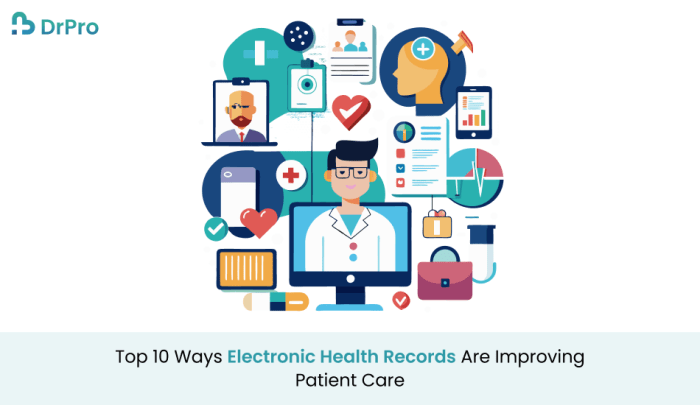
Electronic Health Records (EHRs) have completely revolutionized the healthcare industry by digitizing patient information and making it easily accessible to healthcare providers. This shift from traditional paper-based records to electronic systems has brought about significant improvements in patient care and outcomes.
Improved Patient Care and Outcomes
- EHRs allow for quick access to a patient's medical history, medications, allergies, and test results, enabling healthcare providers to make more informed decisions.
- Healthcare professionals can easily share patient information across different departments or facilities, leading to better coordination of care and reducing the chances of medical errors.
- With EHRs, patients can also access their own health records, empowering them to take control of their health and participate in shared decision-making with their healthcare team.
Advantages of EHRs over Traditional Paper-Based Records
- Elimination of illegible handwriting, reducing the risk of medication errors due to misinterpretation of prescriptions or notes.
- Enhanced security and privacy of patient information through encryption and access controls, ensuring confidentiality and compliance with data protection regulations.
- Improved efficiency in healthcare delivery, as EHRs streamline administrative tasks, reduce paperwork, and allow for faster documentation and retrieval of patient data.
Enhancing Communication and Coordination
Effective communication and coordination are essential in providing quality healthcare to patients. Electronic Health Records (EHRs) play a crucial role in facilitating better communication among healthcare providers and improving coordination of care between different specialists.
Improved Inter-Provider Communication
- EHRs allow healthcare providers to access patient information in real-time, enabling quick and efficient communication between team members.
- Providers can easily share notes, test results, and treatment plans through the EHR system, ensuring that everyone involved in the patient's care is well-informed.
- Electronic messaging features within EHRs enable secure communication, reducing the risk of information being lost or misinterpreted.
Enhanced Care Coordination
- With EHRs, specialists from different departments or locations can collaborate seamlessly on a patient's treatment plan.
- Centralized EHR systems allow for a comprehensive view of the patient's medical history, leading to more coordinated and personalized care.
- Alerts and notifications within EHRs help ensure timely follow-ups and interventions, improving overall care coordination.
Patient Engagement and Empowerment
Patient engagement and empowerment are crucial aspects of modern healthcare, and Electronic Health Records (EHRs) play a significant role in facilitating this. By providing patients with access to their health information, EHRs empower individuals to take an active role in managing their own care.
Empowering Patients Through Access to Health Information
EHRs allow patients to view their medical records, test results, medication lists, and treatment plans online. This access enables patients to stay informed about their health status, track their progress, and make more informed decisions about their care. For example, a patient can review their lab results, understand their diagnosis, and even communicate directly with their healthcare provider through secure messaging platforms integrated into EHR systems.
Enhancing Patient Engagement in Treatment Plans
With EHRs, patients can actively participate in developing and following their treatment plans. By having access to their health information, patients can collaborate with their healthcare team to set goals, monitor their progress, and make adjustments when necessary. This level of involvement not only improves patient satisfaction but also leads to better health outcomes.
For instance, patients with chronic conditions can better manage their conditions by tracking their symptoms and adhering to their treatment regimens with the help of EHRs.
Benefits of Access to EHRs for Patients
Improved Communication
Patients can communicate more effectively with their providers, ask questions, and clarify doubts, leading to better understanding of their health conditions.
Personalized Care
Access to EHRs allows healthcare providers to tailor treatment plans according to individual patient needs and preferences.
Empowerment
Patients feel more empowered and in control of their health when they have access to their health information, leading to increased engagement in their care.
Privacy and Security Concerns
Electronic Health Records (EHRs) store sensitive patient information, making privacy and security crucial aspects of their implementation. Measures are in place to safeguard this data and ensure patient confidentiality.
Measures to Ensure Privacy and Security
- Encryption: Data in EHRs is encrypted to prevent unauthorized access.
- Access Controls: Healthcare providers set up access controls to limit who can view or modify patient records.
- Audit Trails: EHR systems maintain audit trails to track who has accessed patient information.
- Regular Security Audits: Healthcare organizations conduct regular security audits to identify and address vulnerabilities.
Challenges and Risks
- Data Breaches: EHR systems are vulnerable to data breaches, potentially exposing sensitive information.
- Employee Misuse: Internal threats from employees accessing patient data without authorization pose a risk.
- Interoperability Issues: Sharing EHRs across different healthcare systems can lead to security gaps.
Addressing Privacy Concerns
- Training: Healthcare providers undergo training on privacy protocols and best practices for handling EHRs.
- Strict Policies: Organizations enforce strict policies on data access and use to protect patient privacy.
- Patient Consent: Providers seek patient consent before sharing or accessing their EHR data.
Leveraging Data for Improved Care
Utilizing data from Electronic Health Records (EHRs) has revolutionized the way healthcare providers deliver personalized patient care. By harnessing the power of data, healthcare professionals can make more informed decisions and tailor treatment plans to meet individual patient needs.
Personalized Patient Care
Data analytics plays a crucial role in optimizing treatment plans based on information stored in EHRs. By analyzing trends, patterns, and patient history, healthcare providers can identify the most effective interventions for each patient. This personalized approach leads to better outcomes and improved patient satisfaction.
Evidence-Based Practices and Clinical Decision-Making
EHRs contribute significantly to evidence-based practices and clinical decision-making. With access to comprehensive patient data, healthcare providers can make informed decisions based on the latest research and best practices. This ensures that treatments are not only effective but also aligned with current medical guidelines.
Optimizing Treatment Plans
Data from EHRs enable healthcare providers to optimize treatment plans by tracking patient progress, identifying areas for improvement, and making adjustments as needed. This proactive approach to care ensures that patients receive the most appropriate and effective interventions, leading to better health outcomes.
Ultimate Conclusion
As we conclude our exploration of How Electronic Health Records Are Changing Patient Care, it becomes evident that the future of healthcare is intricately intertwined with the innovative possibilities offered by EHRs. Embracing these advancements ensures a more connected, efficient, and patient-centric approach to delivering care.
Questions and Answers
Are there any risks involved in using Electronic Health Records?
While EHRs offer numerous benefits, concerns about data breaches and unauthorized access remain. Healthcare providers implement strict security measures to safeguard patient information.
How do Electronic Health Records enhance patient engagement?
EHRs empower patients by giving them access to their health information, fostering a sense of ownership and involvement in their care decisions.
Can Electronic Health Records be shared among different healthcare providers?
Yes, EHRs enable seamless communication and information sharing between various healthcare professionals, ensuring coordinated care for patients across different specialties.
Do Electronic Health Records improve the accuracy of medical data?
By digitizing medical records, EHRs reduce errors associated with manual documentation and enable quick access to up-to-date patient information, enhancing the accuracy and efficiency of care delivery.
How do Electronic Health Records contribute to evidence-based practices?
Through data analytics and insights derived from EHRs, healthcare providers can tailor treatment plans based on individual patient data, leading to evidence-based care decisions and improved clinical outcomes.