
Diving into the realm of Emerging Careers in Health IT You Should Consider, this introduction sets the stage for a captivating journey through the world of healthcare technology. It delves into the growing significance of Health IT, the impact of technology on new career paths, and much more.
Overview of Health IT Careers
Health Information Technology (Health IT) is a rapidly growing field that combines healthcare and information technology to manage and analyze health-related data. This field plays a crucial role in improving the efficiency, quality, and delivery of healthcare services.
Technology has become an integral part of the healthcare industry, revolutionizing how patient information is stored, accessed, and shared. Health IT professionals use electronic health records (EHRs), telemedicine, mobile health apps, and other tools to streamline processes, enhance patient care, and drive healthcare innovation.
The Role of Technology in Shaping Emerging Careers in Health IT
Advancements in technology have opened up a wide range of emerging careers in Health IT, offering opportunities for professionals to specialize in areas such as health data analytics, cybersecurity, telehealth, and artificial intelligence. These technologies are reshaping the healthcare landscape and creating new roles that require a unique blend of healthcare knowledge and IT skills.
Popular Emerging Careers in Health IT

As the healthcare industry continues to evolve, new career opportunities in Health IT are emerging. Let's explore some of the top emerging careers in this field and the innovative technologies that are driving these new opportunities.
Data Analyst
One of the most in-demand roles in Health IT is that of a data analyst. Data analysts are responsible for collecting, organizing, and analyzing healthcare data to extract valuable insights. They play a crucial role in helping healthcare organizations make data-driven decisions to improve patient outcomes and operational efficiency.
Clinical Informatics Specialist
Clinical informatics specialists bridge the gap between healthcare providers and technology by ensuring that electronic health record systems are effectively implemented and utilized. They work to streamline workflows, optimize clinical processes, and enhance the overall quality of patient care through the use of technology.
Telehealth Specialist
With the rise of telemedicine, telehealth specialists are becoming increasingly important in the healthcare industry. These professionals are responsible for implementing and managing telehealth programs, ensuring secure and effective virtual patient consultations, and integrating telehealth technologies into existing healthcare systems.
Health IT Security Specialist
As cybersecurity threats continue to pose a risk to healthcare data, the demand for health IT security specialists is on the rise. These professionals are tasked with protecting sensitive patient information, securing healthcare systems and networks, and ensuring compliance with data protection regulations.
Artificial Intelligence Specialist
Artificial intelligence is revolutionizing the healthcare industry, and AI specialists are at the forefront of this transformation. These professionals develop and implement AI algorithms and machine learning models to automate processes, improve diagnostics, and personalize patient care.
Required Skills and Qualifications
In order to succeed in a career in Health IT, individuals need to possess a unique set of skills and qualifications that are essential for navigating this rapidly evolving field.
Essential Skills and Qualifications
Here are some of the key skills and qualifications required for a successful career in Health IT:
- Strong background in information technology and computer science
- Knowledge of healthcare industry regulations and compliance standards
- Analytical and problem-solving skills
- Excellent communication and interpersonal skills
- Attention to detail and ability to work under pressure
- Project management skills
Importance of Ongoing Education and Professional Development
Continuous learning and professional development are crucial in the field of Health IT due to the rapid advancements in technology and healthcare practices. Professionals need to stay updated with the latest trends and innovations to remain competitive and provide the best solutions for healthcare organizations.
Acquiring Necessary Skills for Emerging Health IT Roles
Individuals can acquire the necessary skills for emerging Health IT roles through various means, such as:
- Pursuing advanced degrees or certifications in Health IT or related fields
- Participating in workshops, seminars, and conferences to stay current with industry developments
- Engaging in hands-on training and gaining practical experience through internships or on-the-job learning
- Networking with professionals in the field and seeking mentorship opportunities
Future Trends in Health IT Careers
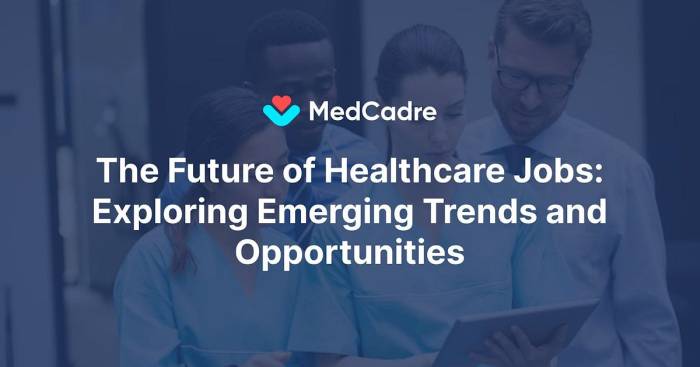
As technology continues to advance at a rapid pace, the landscape of Health IT careers is expected to undergo significant changes. Professionals in this field need to stay abreast of emerging trends to remain competitive and relevant in the industry.
Increased Focus on Data Security and Privacy
In light of growing concerns around data breaches and cyber threats, the demand for professionals with expertise in data security and privacy is expected to rise. Health IT professionals will need to ensure that patient information is securely stored and transmitted to maintain compliance with regulations such as HIPAA.
Rise of Telehealth and Remote Monitoring
The COVID-19 pandemic has accelerated the adoption of telehealth services and remote patient monitoring. Health IT professionals will play a crucial role in developing and maintaining the technology infrastructure needed to support these virtual care delivery models.
Integration of Artificial Intelligence and Machine Learning
Advancements in artificial intelligence and machine learning are poised to revolutionize healthcare delivery. Health IT professionals with expertise in these areas will be in high demand to develop algorithms for predictive analytics, personalized medicine, and clinical decision support systems.
Shift towards Interoperability and Health Information Exchange
Efforts to improve interoperability and facilitate health information exchange between different systems and providers will continue to be a key focus in the industry. Health IT professionals will need to possess the skills to integrate disparate systems and ensure seamless data sharing for better patient outcomes.
Final Summary
In conclusion, this discussion on Emerging Careers in Health IT You Should Consider has shed light on the dynamic landscape of the industry. From required skills to future trends, the field of Health IT offers a plethora of opportunities for aspiring professionals.
Essential Questionnaire
What are some examples of popular emerging careers in Health IT?
Some examples include Health Data Analyst, Telemedicine Specialist, and Health Information Exchange Coordinator.
What skills are essential for a successful career in Health IT?
Key skills include proficiency in data analysis, knowledge of healthcare regulations, and strong communication abilities.
How can individuals acquire the necessary skills for emerging Health IT roles?
Individuals can pursue certifications, attend relevant courses, and participate in hands-on training programs to develop their skills.
What are some future trends expected to impact Health IT careers?
Trends such as artificial intelligence in healthcare, cybersecurity advancements, and remote patient monitoring are poised to shape the future of Health IT careers.