
In today's world where technology plays a crucial role in our daily lives, ensuring the right insurance coverage for home automation systems and utilizing smart technology for remote patient monitoring have become paramount. This article delves into the intricacies of selecting the appropriate insurance for smart home devices and the advantages of incorporating smart devices in healthcare services.
Let's explore how these two aspects intersect to shape the future of insurance and healthcare.
Choosing the Right Insurance for Home Automation Systems
Having insurance coverage for home automation systems is crucial in protecting your investment in smart technology. In the event of malfunctions, damages, or cyber threats, having the right insurance can provide financial security and peace of mind.
Key Considerations for Selecting Insurance for Smart Home Devices
- Check if your existing homeowner's insurance policy covers smart home devices or if you need additional coverage.
- Consider the value of your smart devices and ensure that the insurance policy provides adequate coverage for repair or replacement.
- Look for insurance policies that specifically address cyber threats and data breaches that may affect your smart home system.
- Review the policy exclusions and limitations to understand what is not covered under the insurance plan.
Insurance Policies for Homes with Integrated Smart Technology
Insurance policies for homes with integrated smart technology may offer specialized coverage options tailored to the unique risks associated with these systems. Some policies may include coverage for equipment malfunctions, software errors, and hacking attempts.
Comparison of Insurance Options for Protecting Smart Home Devices Against Cyber Threats
- Consider cyber insurance policies that specifically cover smart home devices and provide protection against cyber attacks.
- Look for policies that offer reimbursement for expenses related to cyber incidents, such as data recovery, identity theft protection, and system repairs.
- Compare deductibles, coverage limits, and premiums to choose an insurance policy that best fits your budget and coverage needs.
Using Smart Technology to Improve Remote Patient Monitoring
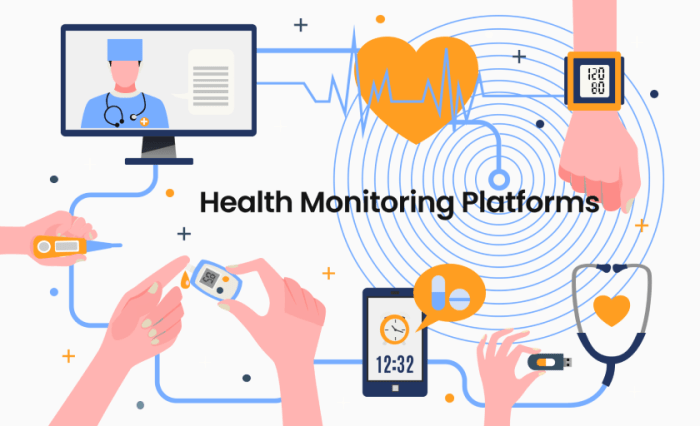
Smart technology plays a crucial role in revolutionizing remote patient monitoring, offering numerous benefits and advancements in healthcare services.Smart devices, such as wearables, sensors, and smart home devices, enhance healthcare services for patients at home by providing real-time health data, enabling continuous monitoring, and facilitating timely intervention in case of emergencies.
Examples of Smart Devices for Remote Patient Monitoring
- Wearable fitness trackers that monitor vital signs and physical activity levels.
- Smart blood pressure monitors that track blood pressure readings and send alerts to healthcare providers.
- Sensors placed around the home to monitor movement patterns and detect falls.
- Smart pill dispensers that remind patients to take their medication and alert caregivers if doses are missed.
Challenges and Limitations of Smart Technology in Healthcare Monitoring
- Privacy and security concerns regarding the storage and sharing of sensitive health data.
- Reliability issues with the accuracy and consistency of data collected by smart devices.
- Integration challenges with existing healthcare systems and interoperability between different devices and platforms.
- Cost barriers for patients to access and maintain smart devices for continuous monitoring.
Conclusion
As we conclude our discussion on Choosing the Right Insurance for Home Automation SystemsUsing Smart Technology to Improve Remote Patient Monitoring, it becomes evident that the integration of smart technology not only enhances the safety and convenience of our homes but also revolutionizes patient care by enabling efficient remote monitoring.
By understanding the nuances of insurance options and the potential of smart devices, we pave the way for a more secure and technologically advanced future.
Question & Answer Hub
What factors should be considered when selecting insurance for smart home devices?
Factors to consider include coverage for device malfunctions, cybersecurity threats, and compatibility with existing policies. It's essential to review the terms and conditions to ensure comprehensive protection.
How do smart devices improve remote patient monitoring?
Smart devices allow healthcare providers to gather real-time data, track patient vitals, and provide timely interventions, enhancing the quality of care for patients at home.
What are some common challenges of relying on smart technology for healthcare monitoring?
Challenges include data privacy concerns, technical glitches, and the need for regular maintenance and updates to ensure the reliability of smart devices in monitoring patients remotely.