
In today's digital age, the security of health data in the cloud has become more critical than ever. This guide delves into the best practices and strategies to ensure the protection of sensitive information, highlighting the importance of data encryption, compliance regulations, risk assessment, and employee training.
Join us on this insightful journey as we explore the vital aspects of securing health data with cloud technology.
Importance of Securing Health Data in the Cloud
Securing health data in the cloud is crucial for compliance with regulations and standards such as HIPAA (Health Insurance Portability and Accountability Act) and GDPR (General Data Protection Regulation). These regulations require healthcare organizations to protect the confidentiality, integrity, and availability of patient data.
Risks Associated with Inadequate Security Measures
Inadequate security measures for health data in the cloud can lead to various risks such as unauthorized access, data breaches, and loss of sensitive information. Cyberattacks, ransomware, and insider threats are some of the common risks faced by healthcare organizations when data is not adequately secured in the cloud.
- Unauthorized Access: Without proper security controls, malicious actors can gain unauthorized access to patient records and other sensitive data stored in the cloud.
- Data Breaches: A data breach in healthcare can have serious consequences, including financial loss, reputational damage, and legal penalties. Patient trust can also be compromised in the event of a data breach.
- Loss of Sensitive Information: Inadequate security measures can result in the loss or theft of sensitive patient information, leading to privacy violations and potential harm to individuals.
Potential Consequences of a Data Breach in Healthcare
A data breach in healthcare can have far-reaching consequences, impacting not only the affected organization but also patients and the broader healthcare ecosystem. Some potential consequences of a data breach include:
- Financial Loss: Healthcare organizations may incur significant financial costs in the aftermath of a data breach, including incident response, regulatory fines, and legal fees.
- Reputational Damage: A data breach can tarnish the reputation of a healthcare organization, eroding patient trust and loyalty. It can also deter new patients from seeking care at the facility.
- Legal Penalties: Non-compliance with data protection regulations can result in legal penalties and sanctions, further adding to the financial burden on the organization.
- Patient Harm: In some cases, a data breach can directly harm patients, such as through identity theft, medical fraud, or unauthorized disclosure of sensitive health information.
Best Practices for Securing Health Data with Cloud Technology
In today's digital age, securing health data in the cloud is paramount to ensure patient privacy and compliance with regulations. Implementing best practices for data security is crucial to prevent unauthorized access and protect sensitive information.
Encryption Methods for Securing Health Data
Encryption plays a vital role in safeguarding health data stored in the cloud. Utilizing robust encryption algorithms such as AES (Advanced Encryption Standard) can help protect data both at rest and in transit. It is essential to encrypt data before uploading it to the cloud and ensure that encryption keys are securely managed to prevent unauthorized decryption.
Comparison of Authentication Mechanisms for Access Control
When it comes to accessing health data in the cloud, implementing strong authentication mechanisms is key. Two-factor authentication, biometric authentication, and single sign-on (SSO) are popular methods to verify user identities and control access to sensitive information. By combining multiple authentication factors, organizations can enhance security and reduce the risk of unauthorized access.
Role of Data Loss Prevention (DLP) Solutions
Data loss prevention (DLP) solutions play a crucial role in maintaining data security by monitoring, detecting, and preventing unauthorized data exfiltration. DLP solutions can help organizations identify sensitive health information, classify data based on its sensitivity, and enforce policies to prevent data leakage.
By implementing DLP solutions, organizations can mitigate the risk of data breaches and protect patient confidentiality.
Compliance Regulations and Standards
In the realm of securing health data in the cloud, compliance with regulations and standards is of utmost importance to ensure data privacy and integrity.
Key Regulations Governing Security of Health Data in the Cloud
- HIPAA (Health Insurance Portability and Accountability Act): HIPAA sets the standard for protecting sensitive patient data. Cloud technology can help healthcare organizations comply with HIPAA regulations by implementing encryption, access controls, and regular security audits.
- GDPR (General Data Protection Regulation): GDPR governs the protection of personal data of European Union citizens. Cloud technology can assist in GDPR compliance through data encryption, data minimization, and ensuring the portability of data.
How Cloud Technology Assists in Compliance with Regulations
- Secure Data Encryption: Cloud technology enables the encryption of health data both in transit and at rest, ensuring compliance with data protection regulations.
- Access Controls: Cloud platforms offer robust access control mechanisms, allowing organizations to restrict data access to authorized personnel only, thus aligning with regulatory requirements.
- Regular Security Audits: Cloud providers often conduct regular security audits and assessments to ensure compliance with regulations and standards, providing healthcare organizations with insights into their security posture.
Examples of Security Measures Aligning with Compliance Standards
- Multi-Factor Authentication: Implementing multi-factor authentication helps in verifying the identity of users accessing health data stored in the cloud, aligning with regulatory requirements for secure access.
- Data Loss Prevention (DLP) Tools: Utilizing DLP tools in the cloud environment can help prevent unauthorized data disclosure and ensure compliance with regulations related to data protection.
- Regular Security Training: Conducting regular security awareness training for employees handling health data in the cloud can help in compliance with regulations that mandate staff education on data security practices.
Secure Data Storage and Transmission
When it comes to securing health data in the cloud, ensuring that data storage and transmission are done securely is crucial. This involves implementing best practices to protect sensitive information from unauthorized access or breaches.
Best Practices for Securely Storing Health Data in the Cloud
- Implement data encryption: Encrypting health data before storing it in the cloud adds an extra layer of protection. This ensures that even if unauthorized users gain access to the data, they won't be able to decipher it without the encryption key.
- Use access controls: Implement strict access controls to limit who can view, modify, or delete health data stored in the cloud. This helps prevent unauthorized users from accessing sensitive information.
- Regularly update security measures: Keep your security measures up to date to protect against evolving threats. This includes updating software, implementing patches, and monitoring for any security vulnerabilities.
Methods for Ensuring Secure Transmission of Health Data Between Systems
- Use secure communication protocols: When transferring health data between systems, use secure protocols such as HTTPS or SFTP to encrypt the data during transmission. This prevents data interception and ensures data integrity.
- Implement VPNs: Virtual Private Networks (VPNs) can create a secure and encrypted connection between systems, making it safer to transmit health data over public networks.
- Enable two-factor authentication: Require users to authenticate their identity through multiple steps before transmitting health data between systems. This adds an extra layer of security to prevent unauthorized access.
The Importance of Data Encryption During Storage and Transmission
- Data encryption is essential for protecting health data both at rest and in transit. By encrypting data during storage, you ensure that even if the data is compromised, it remains unreadable without the encryption key.
- During transmission, encryption prevents unauthorized users from intercepting and accessing sensitive health information. This is crucial in maintaining the confidentiality and integrity of health data as it moves between systems.
- Overall, data encryption plays a vital role in safeguarding health data in the cloud, providing a secure environment for storing and transmitting sensitive information.
Risk Assessment and Mitigation Strategies
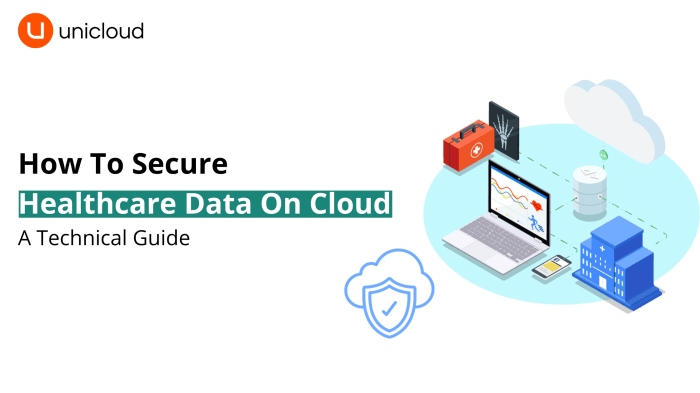
When it comes to securing health data in the cloud, conducting a thorough risk assessment is crucial in identifying potential vulnerabilities and threats. This process helps organizations understand the risks associated with storing and transmitting sensitive information in the cloud.
Conducting a Risk Assessment
- Identify potential threats and vulnerabilities: Assess the security controls in place and identify any weaknesses that could be exploited by unauthorized parties.
- Evaluate the impact of potential risks: Determine the potential impact of a security breach on the confidentiality, integrity, and availability of health data.
- Assess current security measures: Review existing security protocols and determine their effectiveness in mitigating risks.
Mitigation Strategies
- Implement encryption: Encrypt data both at rest and in transit to protect it from unauthorized access.
- Enforce strong access controls: Limit access to sensitive data to authorized personnel only and use multi-factor authentication for an added layer of security.
- Regularly update security measures: Keep security systems up to date with the latest patches and updates to address any newly identified vulnerabilities.
- Monitor and audit access: Track user activity and monitor for any suspicious behavior that could indicate a security threat.
Importance of Regular Risk Assessments
Regular risk assessments are essential to ensure that security measures remain effective in the face of evolving threats. By conducting periodic assessments, organizations can proactively identify and address potential risks before they lead to a data breach.
Employee Training and Awareness
Educating healthcare staff on security best practices in the cloud is crucial to ensuring the protection of sensitive health data. Employees must understand the potential risks and vulnerabilities associated with cloud technology, as well as their role in maintaining data security.
Training Programs for Employee Awareness
- Regular Security Training: Healthcare organizations should conduct regular training sessions to educate employees on the latest security threats, best practices, and compliance requirements.
- Simulated Phishing Exercises: Implementing simulated phishing exercises can help employees recognize and respond to potential phishing attacks, which are a common method used by cybercriminals to gain unauthorized access to data.
- Role-Based Training: Tailoring training programs based on employees' roles and responsibilities can help them understand how to handle data securely and mitigate risks specific to their job functions.
Culture of Cybersecurity Awareness
Creating a culture of cybersecurity awareness within healthcare organizations is essential for promoting a proactive approach to data security. By fostering a culture where employees prioritize data protection and are vigilant against potential threats, organizations can significantly reduce the risk of data breaches and cyber incidents.
It is important for healthcare staff to be well-informed and continuously trained on security best practices in the cloud to safeguard sensitive patient information.
Final Wrap-Up
As we wrap up our discussion on Best Practices for Securing Health Data With Cloud Technology, it is evident that a multi-faceted approach is necessary to safeguard valuable information. By implementing the recommended practices Artikeld in this guide, organizations can enhance their data security posture and mitigate potential risks effectively.
Stay informed, stay secure.
FAQ Insights
How important is data encryption in securing health data in the cloud?
Data encryption plays a crucial role in protecting sensitive health information from unauthorized access by converting it into a secure format that can only be deciphered with the right decryption key.
What are some common compliance regulations that govern the security of health data in the cloud?
Key regulations include HIPAA (Health Insurance Portability and Accountability Act) and GDPR (General Data Protection Regulation), which set guidelines for the secure handling of personal health data.
Why is employee training and awareness essential for maintaining data security in healthcare organizations?
Employee training ensures that staff members understand their role in safeguarding data, recognize potential threats, and adhere to security best practices, fostering a culture of cybersecurity awareness within the organization.