
Exploring the impact of AI on modern health information systems, this introduction sets the stage for a fascinating journey into the realm of innovative healthcare technologies. From enhancing patient care to ensuring data security, AI is reshaping the way we approach healthcare in today's digital age.
As we delve deeper into the role of AI in healthcare, the possibilities and benefits of integrating artificial intelligence become increasingly apparent.
The Role of AI in Modern Health Information Systems
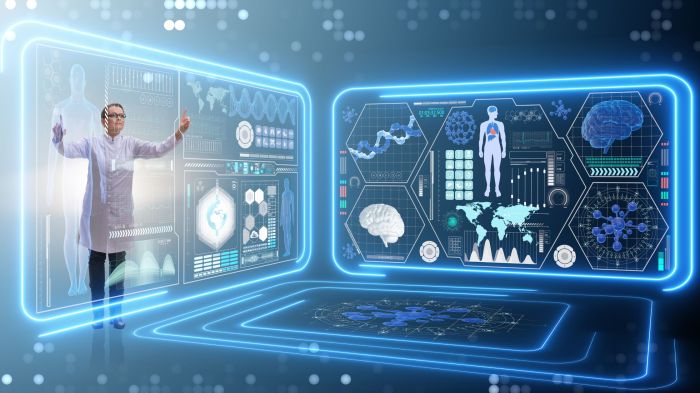
AI technology has been making significant strides in transforming health information systems, revolutionizing the way healthcare data is managed and utilized. By leveraging AI capabilities, healthcare providers can enhance patient care, optimize operations, and improve overall health outcomes.
AI Applications in Improving Healthcare Data Management
AI is being used in various applications to streamline and enhance healthcare data management processes. For example:
- Medical image analysis: AI algorithms can analyze medical images such as X-rays, MRIs, and CT scans to assist radiologists in detecting abnormalities and making accurate diagnoses.
- Predictive analytics: AI-powered predictive models can analyze patient data to predict potential health risks, identify at-risk populations, and personalize treatment plans.
- Natural language processing: AI technologies can extract valuable insights from unstructured clinical notes, enabling healthcare providers to improve documentation accuracy and streamline coding processes.
Benefits of Integrating AI into Modern Health Information Systems
Integrating AI into modern health information systems offers a wide range of benefits, including:
- Enhanced decision-making: AI can provide healthcare professionals with real-time insights and recommendations based on data analysis, leading to more informed clinical decisions.
- Improved efficiency: By automating repetitive tasks and workflows, AI can help healthcare organizations streamline operations, reduce administrative burdens, and optimize resource allocation.
- Personalized care: AI-driven tools enable personalized treatment plans and interventions tailored to individual patient needs, ultimately improving patient outcomes and satisfaction.
AI-Powered Diagnostics
AI technology has been transforming the field of healthcare, particularly in the area of diagnostics. By leveraging AI algorithms and machine learning, healthcare professionals can now utilize advanced tools to improve the accuracy and efficiency of diagnosing various medical conditions.
Early Detection of Diseases
AI-powered diagnostics play a crucial role in the early detection of diseases through health information systems. These systems can analyze vast amounts of patient data, including medical history, lab results, imaging scans, and genetic information, to identify patterns and trends that may indicate the presence of a disease at its early stages.
This early detection allows for timely intervention and treatment, ultimately improving patient outcomes.
- AI algorithms can analyze medical images, such as X-rays, CT scans, and MRIs, with high accuracy and speed, helping radiologists detect abnormalities that may be missed by the human eye.
- Through predictive analytics, AI can assess a patient's risk of developing certain diseases based on their lifestyle factors, genetic predisposition, and medical history, enabling healthcare providers to take preventive measures.
- AI-powered diagnostic tools can also streamline the diagnostic process by providing healthcare professionals with evidence-based recommendations and treatment options, enhancing clinical decision-making.
Traditional vs. AI-Powered Diagnostics
When comparing traditional diagnostic methods with AI-powered diagnostics, the advantages of AI technology become evident. While traditional diagnostic approaches rely heavily on human interpretation and manual analysis, AI systems can process data at a much faster rate and with greater accuracy.
- AI algorithms can sift through vast datasets to identify complex patterns and correlations that may not be apparent to human diagnosticians, leading to more precise and reliable diagnoses.
- AI-powered diagnostics can reduce the margin of error in diagnosis, minimize false positives and negatives, and enhance the overall quality of patient care.
- By automating routine tasks and data analysis, AI technology allows healthcare professionals to focus their expertise on more complex cases, improving efficiency and productivity in healthcare settings.
Enhancing Patient Care with AI
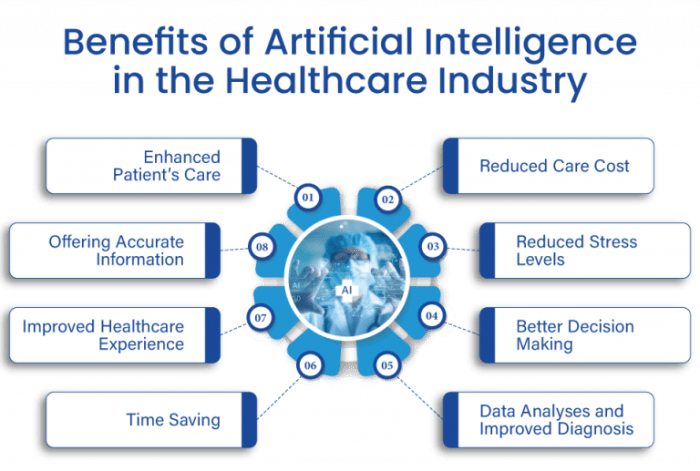
AI plays a crucial role in enhancing patient care within modern health information systems. By leveraging advanced algorithms and data analytics, AI can personalize treatment plans, improve patient outcomes, and enhance the overall quality of healthcare services.
Personalized Treatment Plans
AI analyzes vast amounts of patient data to create personalized treatment plans tailored to individual needs. By considering factors such as medical history, genetics, lifestyle habits, and treatment responses, AI can optimize treatment strategies for better outcomes.
Improving Patient Outcomes
Through predictive analytics and machine learning, AI can identify potential health risks and complications at an early stage. This proactive approach allows healthcare providers to intervene promptly, leading to improved patient outcomes and reduced hospital readmissions.
Enhancing Healthcare Quality
AI-powered tools assist healthcare professionals in making informed decisions, reducing diagnostic errors, and streamlining administrative tasks. By automating routine processes and providing evidence-based recommendations, AI contributes to enhancing the overall quality of healthcare services.
Data Security and Privacy in AI Applications
Data security and privacy are paramount in AI-driven health information systems to protect sensitive patient data and ensure compliance with regulations. With the increasing use of AI in healthcare, it is crucial to implement robust measures to safeguard information.
Measures for Ensuring Data Security in AI Applications
- Encryption: Utilizing encryption techniques to secure data both at rest and in transit.
- Access Control: Implementing strict access controls to limit who can view or modify sensitive information.
- Anonymization: Removing personally identifiable information from datasets to protect patient identities.
- Regular Audits: Conducting regular audits to identify and address any security vulnerabilities.
Ethical Considerations in AI Usage for Health Information Management
- Transparency: Ensuring transparency in how AI algorithms are used and the decisions they make.
- Fairness: Addressing biases in AI algorithms to prevent discrimination in healthcare outcomes.
- Consent: Obtaining informed consent from patients for the collection and use of their data in AI applications.
- Accountability: Holding healthcare providers accountable for the decisions made by AI systems.
Conclusive Thoughts
In conclusion, the integration of AI in modern health information systems opens up a world of possibilities for improving patient outcomes, enhancing diagnostic processes, and safeguarding sensitive medical data. As we continue to embrace AI technologies in healthcare, the future of medicine looks brighter and more efficient than ever before.
FAQ Guide
How is AI transforming health information systems?
AI is revolutionizing health information systems by automating tasks, improving data analysis, and enhancing decision-making processes in healthcare.
What are some examples of AI applications in healthcare data management?
AI applications include predictive analytics, personalized medicine, image analysis, and natural language processing for interpreting medical records.
Why is data security and privacy important in AI-driven health information systems?
Ensuring data security and privacy is crucial to maintain patient confidentiality, protect sensitive medical information, and comply with healthcare regulations.